Showing posts with label lunch. Show all posts

Wednesday, January 21, 2015

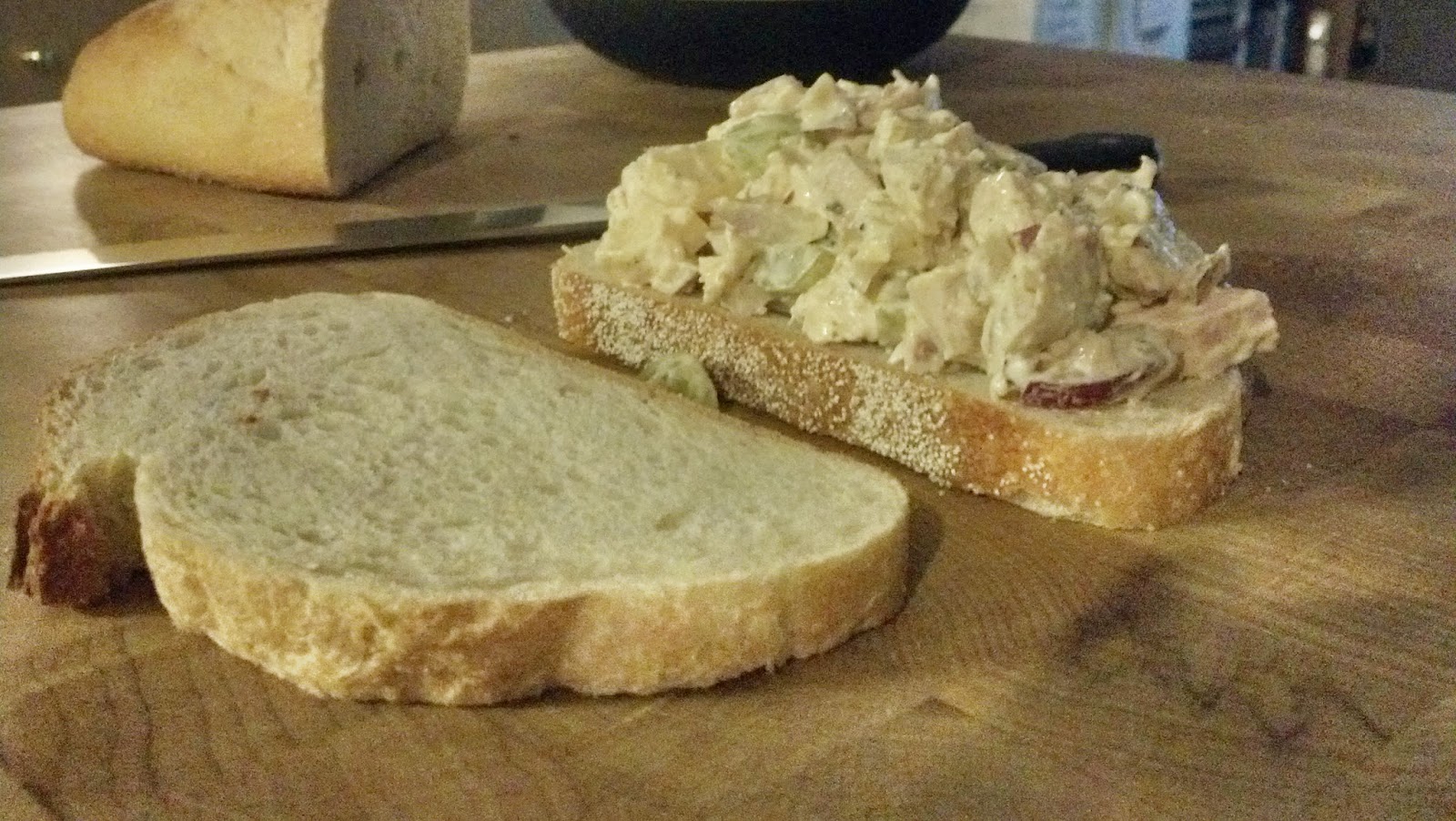
Classic Dijon Chicken Salad with Grapes And Apples

What can I say about chicken salad, my go-to item at your typical lunch counter? It's something I've made so many countless times it's never occurred to me to write it down before. There is nothing I find quite as comforting as large chunks of perfectly moist chicken. Using bone-in chicken goes a long way to ensuring your chicken is moist. The fat on the skin keeps the moisture in and the bones add flavor, all of which makes it a little more forgiving.

First, some basics. There is no RIGHT recipe for chicken salad, but the principles should be: some mayo/creaminess to bind it all together, some crunch for texture, some sweetness with some fruit, some onions for tang, and some mustard for flavor. Everything else is variable. I have used herbs, and I have left the herbs out because I wanted to keep it simple or because at the end of the day I dislike all things anise and licorice flavor and tarragon is constantly flirting at that border. I have used Sriracha. I have roasted chicken breast from frozen and cut straight from a whole roast chicken. I have used leftover grilled chicken legs. I have bought a rotisserie chicken. They all work with slightly different flavor.

This is my favorite, where I substitute apples for the classic celery and include grapes for sweetness. I prefer green grapes, whose skins I find to be slightly less bitter, but red grapes work too and add a nice bit of color. You can get away with using relatively tart apples in this recipe, but if the skins are thick you should consider peeling the apples first. If you don't have honey mustard on hand, use 1/2 teaspoon honey to 2 tablespoons mustard. Honey is powerful stuff, so use a very very gentle hand. 

Three breasts will make 2 to 3 sandwiches.


Dijon Chicken Salad With Grapes & Apples

3 Bone-In Split Chicken Breasts (Or 1 rotisserie chicken)
2 In-Season Apples (not Granny Smith, try Fuji, Braeburn or Pinklady)
1/3 cup seedless Grapes
1/2 cup Mayonnaise
1/2 red onion 
1 tablespoon Dijon Mustard
2 tablespoons Honey Mustard
1/4 teaspoon cayenne
salt
pepper
1 tablespoon finely cut herbs (optional, parsley or chives)

Instructions

  1. If you are roasting the chicken, place the chicken on a sheet pan. Season the chicken generously with salt and pepper. Drizzle lightly with oil then roast for twenty minutes at 350 degrees. Let chicken cool completely.
  2. Cut the breast away from the bone and remove and discard skin.
  3. Cut chicken into 1" chunks and toss into medium sized bowl, making sure to remember to remove any cartilage or tough connective tissue you come across.
  4. Cut grapes into halves or quarters depending on the size of the grapes. Add to chicken.
  5. Peel apples, if desired.
  6. Cut apples into 1/2" cubes and add to bowl.
  7. Cut red onion into 1/4" pieces and add to mixing bowl. Toss lightly.
  8. Add mayonnaise, dijon mustard, honey mustard, cayenne, and pepper to taste. Add salt if needed.
  9. Mix ingredients until combined. Be careful not to overly mix so that most chunks of chicken remain in tact.
  10. Serve either on a sandwich with lettuce and red onion or separately.

Friday, January 20, 2012

Pasta With Kalamata Olives, Garlic and Basil

This is a pretty easy way to take a simple pasta dish and make it complex and deeply layered. The acid of the tomato paste, brightness of the lemon, salt of the anchovy paste (or olive paste if preparing as vegetarian/no anchovy version), and fresh herb of the basil create flavors all around. It's a warm, flavorful meal that isn't half bad for lunch the next day, either.

To make the recipe vegetarian, just substitute kalamata olive paste for the anchovies/anchovy paste. You can also do this if you are simply scared of the anchovy, as many people are. I encourage you, however, not to fear these salty, oily fish, but embrace it. The easiest way to think of anchovy is as the X factor in a lot of things, such as this dish, or Ceasar salad. You can't fully taste it, but it adds a brine-y note that is distinct and often what people love about these dishes. Admittedly, it can be a mess to work with straight from the jar (always get the white filets). It's oily. That's why we often substitute in a little bit of anchovy paste in place of the filets to save time and clean-up. The filets are better, but so is not cleaning an extra knife and cutting board and figuring out what to do with the rest of the jar of anchovies. Like with tomato paste, we buy the tubes of anchovy paste, and keep the leftovers in the fridge for later. This way we don't feel wasteful buying a whole can of tomato paste and then only using a tablespoon. How many recipes really call for a whole can of tomato paste, anyway?

If you find the salt of kalamata olives is too strong, you can use Manzilla olives in their place. The original recipe for this had bread crumbs to thicken, but we've never really had a problem with the sauce being runny, so we've removed them, though we have continued to use the full amount of garlic. Basil can be expensive, and you can reduce it as low as half a cup if necessary.


Cooking Time: 40 minutes, Serves 4


Ingredients

1/4       cup extra-virgin olive oil
6          medium garlic cloves, minced or pressed through garlic press (about 2 tablespoons)
1          tablespoon minced white anchovy fillets (4 to 6 fillets)  
           OR 1 teaspoon of anchovy paste 
           OR 1 teaspoon kalamata olive paste (if vegetarian)
1          tablespoon tomato paste
1/4-1/2 teaspoon hot red pepper flakes
1/4        cup oil-packed sun-dried tomatoes , drained, rinsed, patted dry, and cut into thin strips
1           cup pitted kalmata olives , well rinsed and coarsely chopped (1 8 oz bottle)
1 3/4     teaspoons table salt
1           pound rigatoni (mezze) or farfalle (any short pasta will work)
2           ounces finely grated Parmesan cheese (about 1 cup)
3           tablespoons chopped fresh parsley leaves
1 1/2     cups lightly packed fresh basil leaves , roughly torn
            Ground black pepper
1           lemon , cut into wedges


Instructions

  1. Combine 2 tablespoons quality olive oil, garlic, anchovies (or paste of choice if substituting), tomato paste, red pepper flakes, sun-dried tomatoes, and olives in medium bowl. Make sure olives are well-rinsed of brine prior to chopping and adding. Set aside.
  2. Meanwhile, bring 4 quarts water to boil in Dutch oven over high heat. Add rigatoni and salt.
  3. While pasta is cooking, heat 12" nonstick skillet to medium heat and add olive mixture and remaining olive oil. Cook until olive mixture is aromatic and oil has turned rusty red, 4 to 6 minutes. 
  4. Remove 1 cup pasta cooking water from pot and add to skillet. Bring to simmer and cook for 2 minutes. Remove pan from heat while pasta finishes cooking.
  5. When pasta is just shy of al dente, drain pasta, reserving 1/2 cup of pasta cooking water, and transfer back to Dutch oven. 
  6. Add olive mixture to pasta and toss over medium heat until pasta absorbs most of liquid, about 2 minutes. Stir in 1/2 cup Parmesan. Adjust consistency of sauce with reserved pasta water. (Sauce should cling to pasta but not be too loose or runny.) 
  7. Remove pot from heat and stir in parsley and basil; adjust seasoning with pepper. 
  8. Sprinkle with parmesan and serve with lemon wedges to be added prior to eating.
Monday, August 22, 2011

Chilled Cucumber-Avocado Soup with Crab Salad

I love cold soups, especially cold cucumber soup.  It reminds me of hot midday meals in the Caribbean and Mexico.  Of course, eating it at home is pretty good, too.

When I make this dish for guests I want it to transport them the same way it transports me, so I add lots of flavor.  The addition of avocado and coconut milk to pureed cucumber makes the soup creamy-smooth, and adds a pleasant sweetness.  I cut through that sweetness with just enough Thai green curry paste and serrano chile to linger on your palette.  The crab salad, which can be omitted for a vegetarian friendly plate, adds a luxurious element to the dish and compliments the flavors in the soup perfectly.

The soup is best eaten the day after it’s made to give the flavors time to develop.  If your blender is too small to accommodate all of the ingredients (remember to factor the water into your calculation), blend the soup in batches.  It’s worth splurging for jumbo lump crabmeat for this recipe.  The crab is dressed simply, so the relative quality of your product will really show though.

Chilled Cucumber-Avocado Soup with Crab Salad

Ingredients

Cucumber Avocado Soup
2 cucumbers, about 12 ounces each, peeled, seeded and coarsely chopped
2 Hass avocados, coarsely chopped
3 teaspoons Thai green curry paste
2 teaspoons sugar
3 teaspoons finely grated lime zest from 3 limes
2 serrano chiles, seeded and chopped
1 13-ounce can unsweetened coconut milk
3 tablespoons lime juice from 3 limes
Fine sea salt
Cayenne pepper
Ground white pepper
Siracha (optional)

Crab Salad (Optional)
1 pound jumbo lump crab meat, picked over
2-3 tablespoons lemon juice from 1 lemon
1 tablespoon minced chives
Black pepper


How to Pit An Avocado

Instructions

  1. In a blender, puree the cucumbers until smooth.  Add the avocados, curry paste, sugar, lime zest and chile.  Process until blended.  Add 3 1/2 cups of water, the coconut milk and lime juice and process until smooth.  Transfer the soup to a large bowl and season with salt, cayenne and white pepper to taste.  Cover and refrigerate until chilled, or overnight.
  2. When ready to serve the soup, place the crabmeat in a medium bowl and add the lemon juice and chives.  Toss gently to combine.  Season with salt, black pepper and cayenne to taste. 
  3. Taste and season the now developed flavors of the soup with salt, white pepper, and drops of siracha for added heat (optional--be gentle).
  4. To serve, mound a small pile of the crab salad in the center of a wide soup bowl.  Carefully ladle some of the soup around the crab.  The crab should still be visible above the soup.  Don’t’ submerge it.  Repeat with remaining bowls.  Finish the soup with a drizzle of olive oil and a pinch of freshly ground black pepper.

Tuesday, June 7, 2011

Mac and Cheese with Mustard and Kielbasa

There are two ways to go with Mac and Cheese. You can go super-classy and upscale and fill it with truffles and imported cheese. Or you can try and make it so that a ten year old will like it. This recipe attempts to make the bridge between the two, and not be quite as rubbery as whatever Velveeta or Kraft is throwing out there and thus tolerable to an adult palate. I'm not saying this fills all of my sizable mac and cheese needs, but it does a good job at being an item that does not take that long to throw together, is not that expensive, and can last for a whole week of leftovers for lunch.

There is a vegetarian option for this as well which is a quality option if you're not feeling kielbasa. The final step with the bread crumb topping and sitting under a broiler is surprisingly important to bringing the dish together. The first time we made this we just threw some crumbs on top of the dutch over and cooked it that way, but putting it in a pyrex really changed the cosistency and allowed for the classic, neat squares of mac and cheese. (It was still plenty delicious the other way, just looser in consistency and a bit runnier.)

Basically, this whole recipe is a modified bechemel sauce. Make sure and bring the pasta past al dente, and lean on the side of overcooked over undercooked. If you wish to halve the recipe, use an 8" pyrex instead of the full size. But remember-- good leftovers!

Ingredients

  • 6 slices white sandwich bread (good-quality, about 6 ounces), torn into rough pieces
  • 3 tablespoons unsalted butter (cold), cut into 6 pieces 
  • 1 pound elbow macaroni
  • 1 tablespoon table salt
  • 5 tablespoons unsalted butter
  • 1 medium onion , chopped fine
  • 6 tablespoons all-purpose flour
  • 8 ounces smoked kielbasa , cut lengthwise into quarters, then cut crosswise into 1/2 inch slices
  • 1 1/2 teaspoons powdered mustard
  • 1/4 teaspoon cayenne pepper (optional)
  • 5 cups milk
  • 8 ounces Monterey Jack cheese, shredded (2 cups)
  • 8 ounces sharp cheddar cheese, shredded (2 cups)
  • 4 teaspoons Dijon mustard
  • 5-10 dashes tabasco sauce (or to taste) 
  • 1/2 teaspoon table salt
  • 1/2  cup frozen peas (optional--good for kids) 

Instructions

  1. For the bread crumbs: Pulse bread and 3 tablespoons butter in food processor until crumbs are no larger than 1/8 inch, ten to fifteen 1-second pulses. Set aside.
  2. For the pasta and cheese: Adjust oven rack to lower-middle position and heat broiler.
  3. Bring 4 quarts water to boil in Dutch oven over high heat. Add macaroni and 1 tablespoon salt; cook until pasta is tender. Drain pasta and set aside in colander.
  4. In now-empty Dutch oven, heat remaining 5 tablespoons butter over medium-high heat until foaming. Add onion and cook, stirring occasionally, until onion begins to brown, about 6 minutes. Add flour, mustard powder, and cayenne (if using) and whisk well to combine. Continue whisking until mixture becomes fragrant and deepens in color, about 1 minute. This cooks off the raw flour taste.
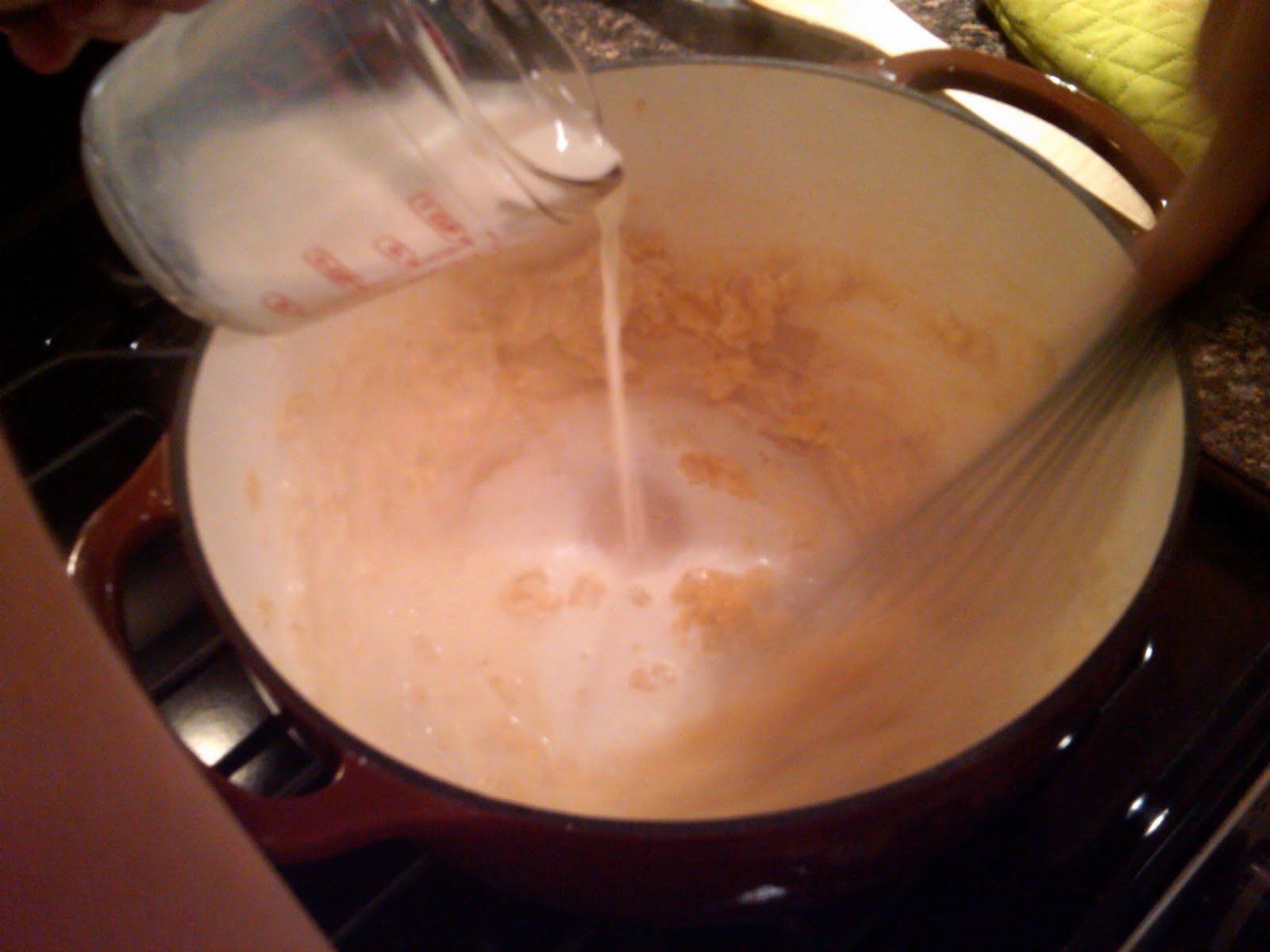
  5. Gradually whisk in milk; bring mixture to boil, whisking constantly (mixture must reach full boil to fully thicken). Your hand will get hot.
  6. Reduce heat to medium and simmer, whisking occasionally, until thickened to consistency of heavy cream, about 5 minutes.
  7. Off heat, whisk in cheeses and 1/2 teaspoon salt until cheeses are fully melted.
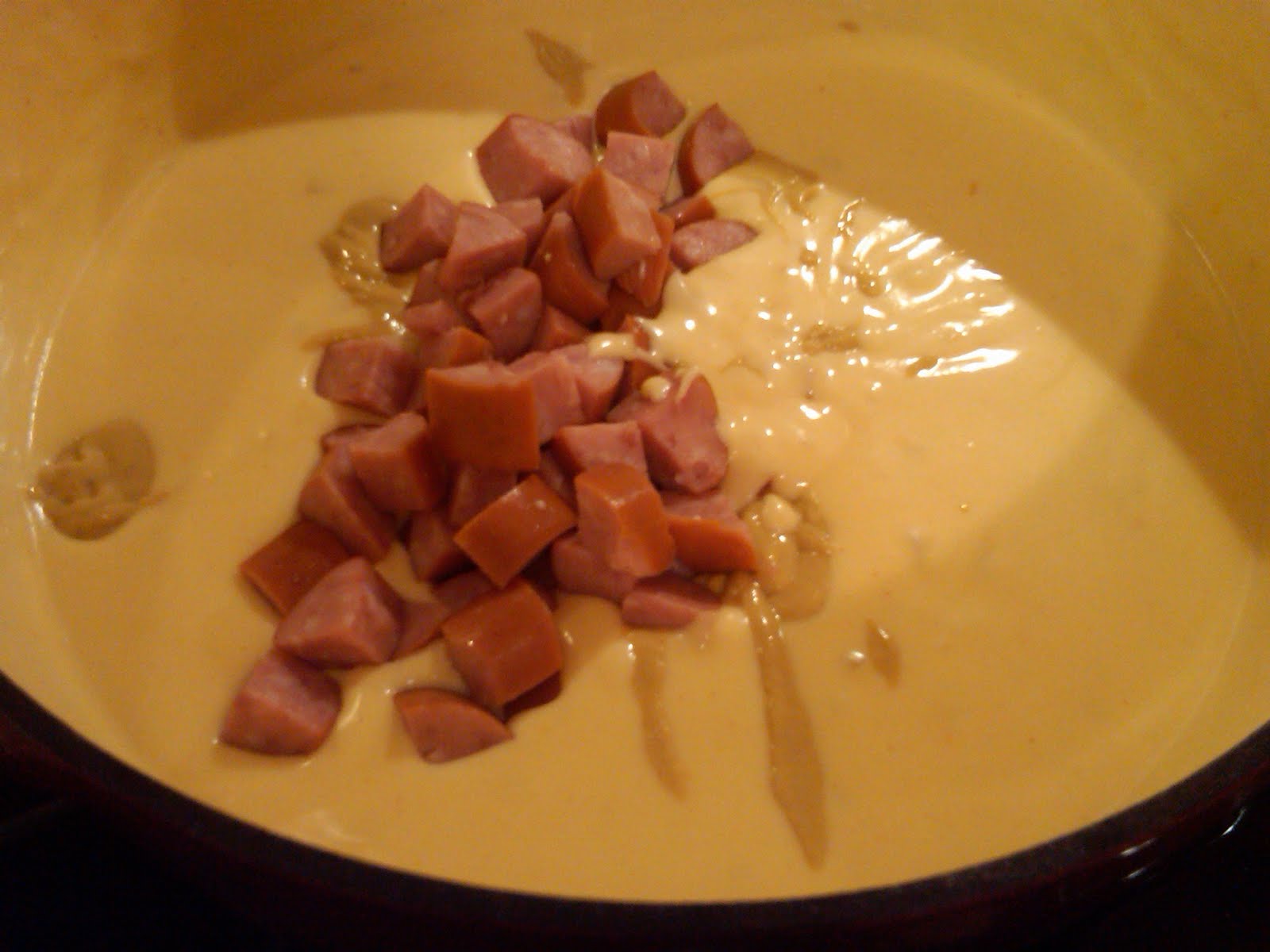
  8. Add pasta, kielbasa, and Dijon mustard; cook over medium-low heat, stirring constantly, until mixture is steaming and heated through, about 6 minutes.
  9. If you are using peas (optional), add them here and cook until heated through (1-2 minutes)
  10. Add tabasco to taste, as well as salt and white pepper if necessary.
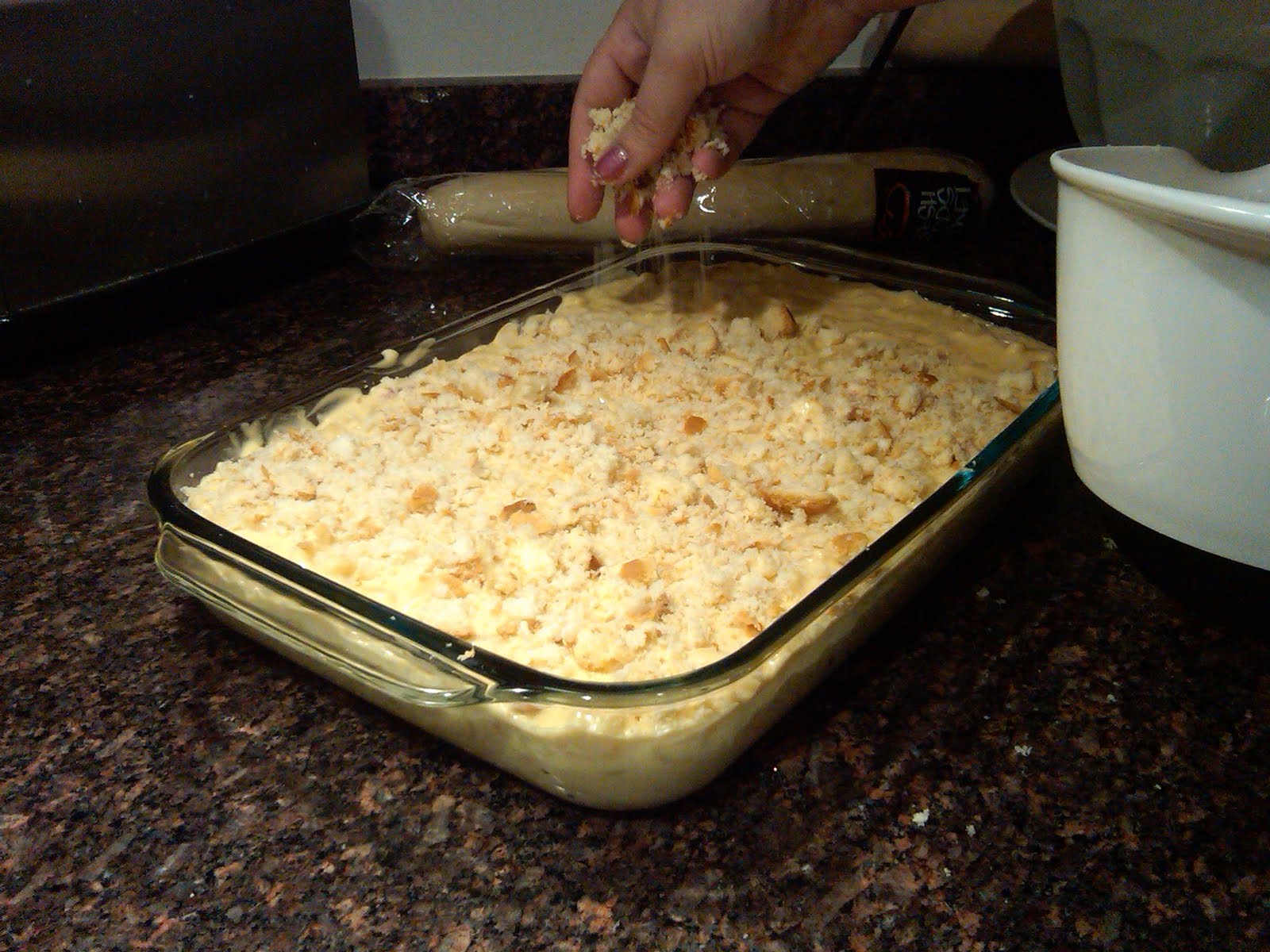
  11. Transfer mixture to broiler-safe 9 by 13-inch baking dish and sprinkle evenly with bread crumbs. Add more than you think you have to, completely cover the macaroni. 
  12. Broil until crumbs are deep golden brown and crisp, 3 to 5 minutes, rotating pan if necessary for even browning. Cool about 5 minutes, then serve.


Monday, February 28, 2011

Warm Duck Salad

This is a Barefoot Contessa take on duck. Like most Barefoot Contessa recipes, it's open to a lot of interpretation. I often prefer strawberries to raspberries whenever strawberries are in season. Getting something flavorful should be the primary concern. There is just a ton of delicious duck and berries and orange and pecan in this recipe. It is filling and delicious as a perfect large lunch, light dinner, or first course.

The dressing I've always thought was a bit bland while making it, but this salad has so much going on, the very light dressing with a slight orange taste is just right. Just make sure you break out the 'good' olive oil as Contessa would say. I am upping the amount of orange zest from the original recipe and changing the mache to baby arugula and frisee, because my local Harris Teeter rarely carries mache, but frequently carries very good baby arugula. And who doesn't like a little frisee once in awhile?

The dressing and the duck will keep (although the "warm" part of warm duck salad won't be there), but salad is salad, so toss when ready to serve. A Barefoot Contessa trick for serving salad later....add the dressing to the bottom before the other ingredients and then toss at the end. Not really sure why this is easier from just storing the dressing in a measuring cup and adding at the end, but there you go.


Warm Duck Salad 

2 boneless duck breasts, skin on (pref. not frozen)  

Kosher salt  
1 tablespoon minced shallots  
2 1/2 tablespoons sherry vinegar  
2 teaspoon grated orange zest  
1/2 cup olive oil  
3 heads Belgian endive  
3 ounces baby arugula, mache or other delicate baby lettuce  

Frisee to taste (optional)  

Navel oranges, peeled, cut in 1/2, and sliced  
1/2 pint fresh raspberries or sliced strawberries  
1 cup toasted whole pecan halves

  1. Preheat the oven to 400 degrees.
  2. Place the duck breasts on a sheet pan, skin side up. Sprinkle with kosher salt and a little pepper and roast for about 20 minutes, until medium-rare. 
  3. Remove from the oven, cover tightly with aluminum foil, and allow to sit for 10 to 15 minutes. 
  4. With a knife, remove and discard the fat and skin on top. Careful, the duck is still pretty warm. Slice the duck, and then cut the slices crosswise into julienned pieces.
  5. Meanwhile, in a small bowl, combine the shallots, sherry vinegar, orange zest, and 1 1/2 teaspoons of salt.
  6. Whisk in the olive oil and set aside.
  7. For the salad, trim the bottom half-inch from the endive and cut them diagonally into 1/2-inch slices. Separate the leaves and discard the cores. Place the slices in a large salad bowl. 
  8. Add the arugula, frisee if using, oranges, strawberries/raspberries, and toasted pecans. Toss with enough dressing to moisten. Gently toss in the warm duck meat and serve immediately. Pepper to taste.