Showing posts with label parsley. Show all posts

Tuesday, November 25, 2014

Chermoula Marinated Pork Loin

Pork loin is all or nothing for me.  It’s either juicy, succulent, and full of delicious porky flavor, or it’s as dry and chewy as a hockey puck.  When done correctly, the loin is one of my favorite cuts of pork.  Tied and pan roasted, it makes for a roast as beautiful as it is tasty, perfect for a small dinner party.  But pork loin can be finicky.  Because it is relatively lean, it does have a tendency to dry out. And being pork, the loin needs lots of seasoning to be flavorful.

Before the pork loin goes anywhere near a pan, there are steps you can take to ensure that the final product will come out juicy.  First, get a high quality piece of pork.  Look for one in your butcher’s case that has good marbling, has most of its fat cap intact, and that still looks pink and fresh.  If the only pork loin you can find is vacuum sealed in plastic and labeled as “enhanced” pork (i.e., pork that has been injected with salt water), consider using this marinade on a nice pork chop instead.

Brining is an additional step you can take towards keeping your pork loin juicy.  I use a very basic brine for this recipe, because the pork loin is marinated after brining.  As an alternative recipe, try using the brine I call for in my Roast Chicken recipe.  Pan roast the loin as I do below and make a simple pan sauce with all of the delicious brown bits sticking the bottom of the skillet.  The end result would make a Frenchman proud.

Pork loin benefits from heavy seasoning and pairs great with big, intense flavors.  The chermoula marinade I use here – a potent North African marinade traditionally used to season vegetables – penetrates the pork with deep and complex flavors and imparts the loin with an attractive golden brown exterior when seared.
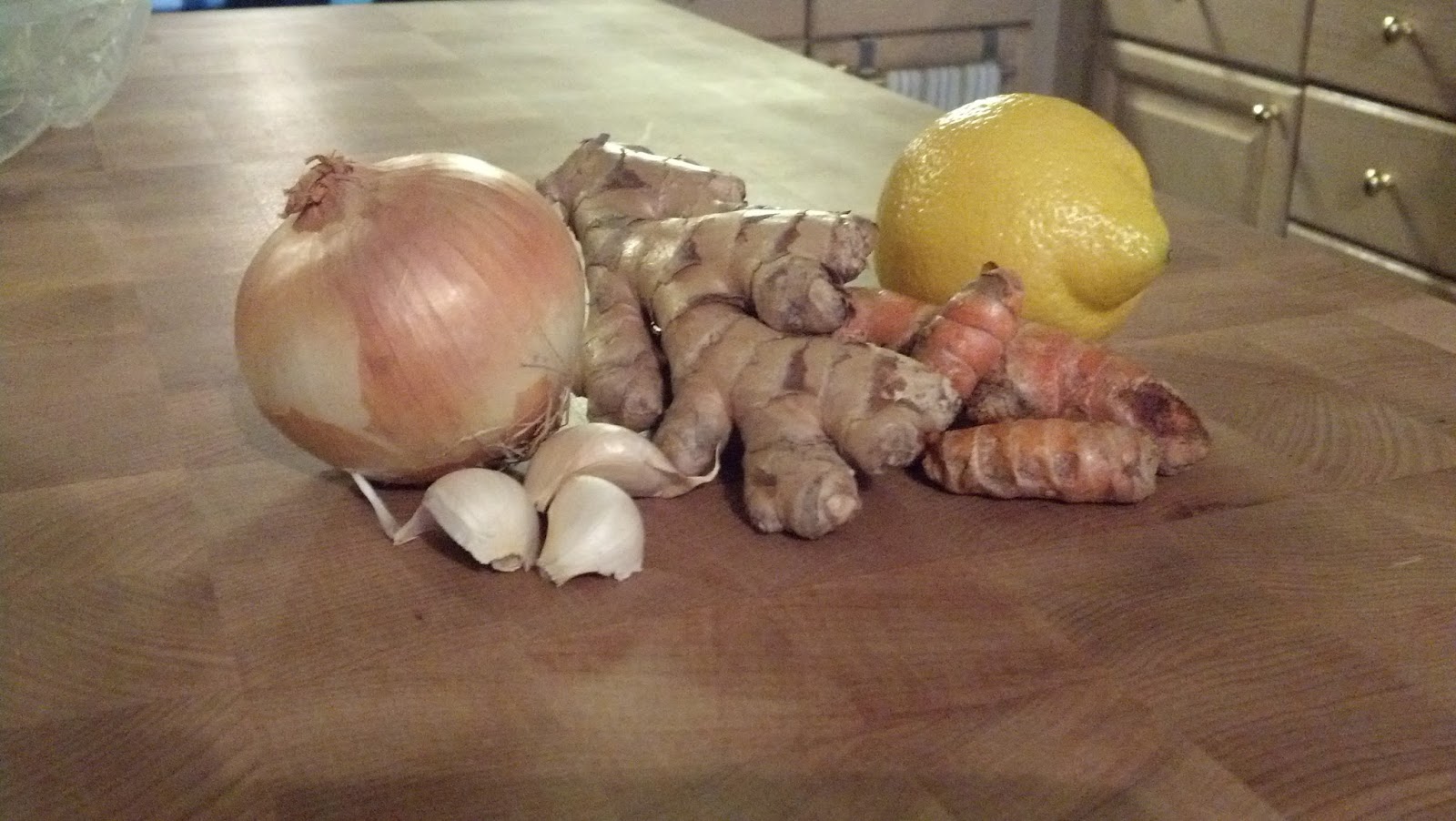
The chermoula calls for both fresh ginger and fresh turmeric.  You can substitute dried ground turmeric if you cannot find fresh, but the fresh ginger is essential. If you have never seen tumeric, it looks like small, orange fresh ginger that is as bright as a carrot when peeled and gets on everything it touches (see photos).  Grating the ginger, turmeric, onion and garlic on a Microplane grater or through the small holes of a box grater intensifies their flavors and will help to tenderize the meat.


Chermoula Marinated Pork Loin


Ingredients


1 boneless pork loin roast, 2-3 pounds

8 cups water
½ cup Kosher salt

1½ teaspoons cumin seeds
½ teaspoon coriander seeds
½ teaspoon black peppercorns
½ teaspoon red chile flakes
2 cloves garlic, grated
¼ cup grated yellow onion
½ teaspoon peeled and grated fresh ginger
1 teaspoon peeled and grated fresh turmeric, or ½ teaspoon ground turmeric
2 teaspoons unsmoked Spanish paprika
Grated zest of ½ lemon
2 tablespoons
2 tablespoons finely chopped flat-leaf parsley
finely chopped cilantro
3 tablespoons olive oil

Instructions


  1. Trim the pork loin of any excess fat, but be sure to leave most of the fat cap intact. Tie the loin at one inch intervals with butcher’s twine, making sure to tie it very tightly so that the roast will maintain its shape during cooking.
  2. Combine the water and salt in a large bowl and stir until the salt is completely dissolved. Add the trimmed and tied pork loin, cover, and refrigerate for 8-10 hours, or overnight.
  3. Toast the cumin and coriander seeds in a small skillet over medium heat, stirring frequently, until fragrant. Remove to the bowl of a spice grinder and add the peppercorns and chile flakes. Grind finely.
  4. Transfer the ground spices to a small bowl and add the garlic, onion, ginger, turmeric, paprika, lemon zest, parsley, cilantro and two tablespoons of the olive oil.  Stir to combine.
  5. Remove the pork loin from the brine and rinse under cold, running water. Dry thoroughly with paper towels.
  6. Rub the chermoula all over the pork loin, then wrap tightly with plastic wrap and refrigerate overnight.
  7. The next day, pre-heat your oven to 325° F. Unwrap the pork loin and wipe most of the chermoula off with your hands. Allow to sit at room temperature for one hour to temper.
  8. Heat the remaining tablespoon of olive oil in a large non-stick or cast iron skillet over medium high heat until shimmering but not smoking. Add the pork loin and sear on all sides until well browned, about 10 minutes.
  9. Turn the pork loin so that the fat cap is on top, and then place the skillet in the oven. Roast until center of roast registers about 135 degrees on an instant-read thermometer, 35 to 45 minutes.
  10. Remove the roast to a plate. Cover with tin foil and allow to rest for 20 minutes.
  11. After the roast has rested, transfer to a carving board. Cut the twine with scissors and discard. Slice the roast into ½ inch to ¾ inch slices. Poor any accumulated juices from the resting plate over the slices and serve.

Friday, January 20, 2012

Pasta With Kalamata Olives, Garlic and Basil

This is a pretty easy way to take a simple pasta dish and make it complex and deeply layered. The acid of the tomato paste, brightness of the lemon, salt of the anchovy paste (or olive paste if preparing as vegetarian/no anchovy version), and fresh herb of the basil create flavors all around. It's a warm, flavorful meal that isn't half bad for lunch the next day, either.

To make the recipe vegetarian, just substitute kalamata olive paste for the anchovies/anchovy paste. You can also do this if you are simply scared of the anchovy, as many people are. I encourage you, however, not to fear these salty, oily fish, but embrace it. The easiest way to think of anchovy is as the X factor in a lot of things, such as this dish, or Ceasar salad. You can't fully taste it, but it adds a brine-y note that is distinct and often what people love about these dishes. Admittedly, it can be a mess to work with straight from the jar (always get the white filets). It's oily. That's why we often substitute in a little bit of anchovy paste in place of the filets to save time and clean-up. The filets are better, but so is not cleaning an extra knife and cutting board and figuring out what to do with the rest of the jar of anchovies. Like with tomato paste, we buy the tubes of anchovy paste, and keep the leftovers in the fridge for later. This way we don't feel wasteful buying a whole can of tomato paste and then only using a tablespoon. How many recipes really call for a whole can of tomato paste, anyway?

If you find the salt of kalamata olives is too strong, you can use Manzilla olives in their place. The original recipe for this had bread crumbs to thicken, but we've never really had a problem with the sauce being runny, so we've removed them, though we have continued to use the full amount of garlic. Basil can be expensive, and you can reduce it as low as half a cup if necessary.


Cooking Time: 40 minutes, Serves 4


Ingredients

1/4       cup extra-virgin olive oil
6          medium garlic cloves, minced or pressed through garlic press (about 2 tablespoons)
1          tablespoon minced white anchovy fillets (4 to 6 fillets)  
           OR 1 teaspoon of anchovy paste 
           OR 1 teaspoon kalamata olive paste (if vegetarian)
1          tablespoon tomato paste
1/4-1/2 teaspoon hot red pepper flakes
1/4        cup oil-packed sun-dried tomatoes , drained, rinsed, patted dry, and cut into thin strips
1           cup pitted kalmata olives , well rinsed and coarsely chopped (1 8 oz bottle)
1 3/4     teaspoons table salt
1           pound rigatoni (mezze) or farfalle (any short pasta will work)
2           ounces finely grated Parmesan cheese (about 1 cup)
3           tablespoons chopped fresh parsley leaves
1 1/2     cups lightly packed fresh basil leaves , roughly torn
            Ground black pepper
1           lemon , cut into wedges


Instructions

  1. Combine 2 tablespoons quality olive oil, garlic, anchovies (or paste of choice if substituting), tomato paste, red pepper flakes, sun-dried tomatoes, and olives in medium bowl. Make sure olives are well-rinsed of brine prior to chopping and adding. Set aside.
  2. Meanwhile, bring 4 quarts water to boil in Dutch oven over high heat. Add rigatoni and salt.
  3. While pasta is cooking, heat 12" nonstick skillet to medium heat and add olive mixture and remaining olive oil. Cook until olive mixture is aromatic and oil has turned rusty red, 4 to 6 minutes. 
  4. Remove 1 cup pasta cooking water from pot and add to skillet. Bring to simmer and cook for 2 minutes. Remove pan from heat while pasta finishes cooking.
  5. When pasta is just shy of al dente, drain pasta, reserving 1/2 cup of pasta cooking water, and transfer back to Dutch oven. 
  6. Add olive mixture to pasta and toss over medium heat until pasta absorbs most of liquid, about 2 minutes. Stir in 1/2 cup Parmesan. Adjust consistency of sauce with reserved pasta water. (Sauce should cling to pasta but not be too loose or runny.) 
  7. Remove pot from heat and stir in parsley and basil; adjust seasoning with pepper. 
  8. Sprinkle with parmesan and serve with lemon wedges to be added prior to eating.