Showing posts with label tomato. Show all posts

Sunday, July 13, 2014

Mexican Style Shrimp Cocktail

Just as our Brown Sugar and Citrus Cured Salmon has become a tradition at our winter celebrations, this sweet-and-spicy shrimp cocktail based on an octopus recipe from the Rick Bayless cookbook has proved to be an immensely popular item at our parties during the warmer months. The first time we served this dish, our guests finished the entire bowl before E.S. even got to try one shrimp! Also like the cured salmon, this recipe is very simple.

Unlike your traditional shrimp cocktail arrangement – in which cooked shrimp are hung on the edge of a container of cocktail sauce – this recipe calls for the shrimp to be tossed in the sauce ahead of time, which allows the flavors of the sauce to penetrate the shrimp. Don’t add the shrimp to the sauce more than three hours before serving the cocktail, or the shrimp will start to get soft.
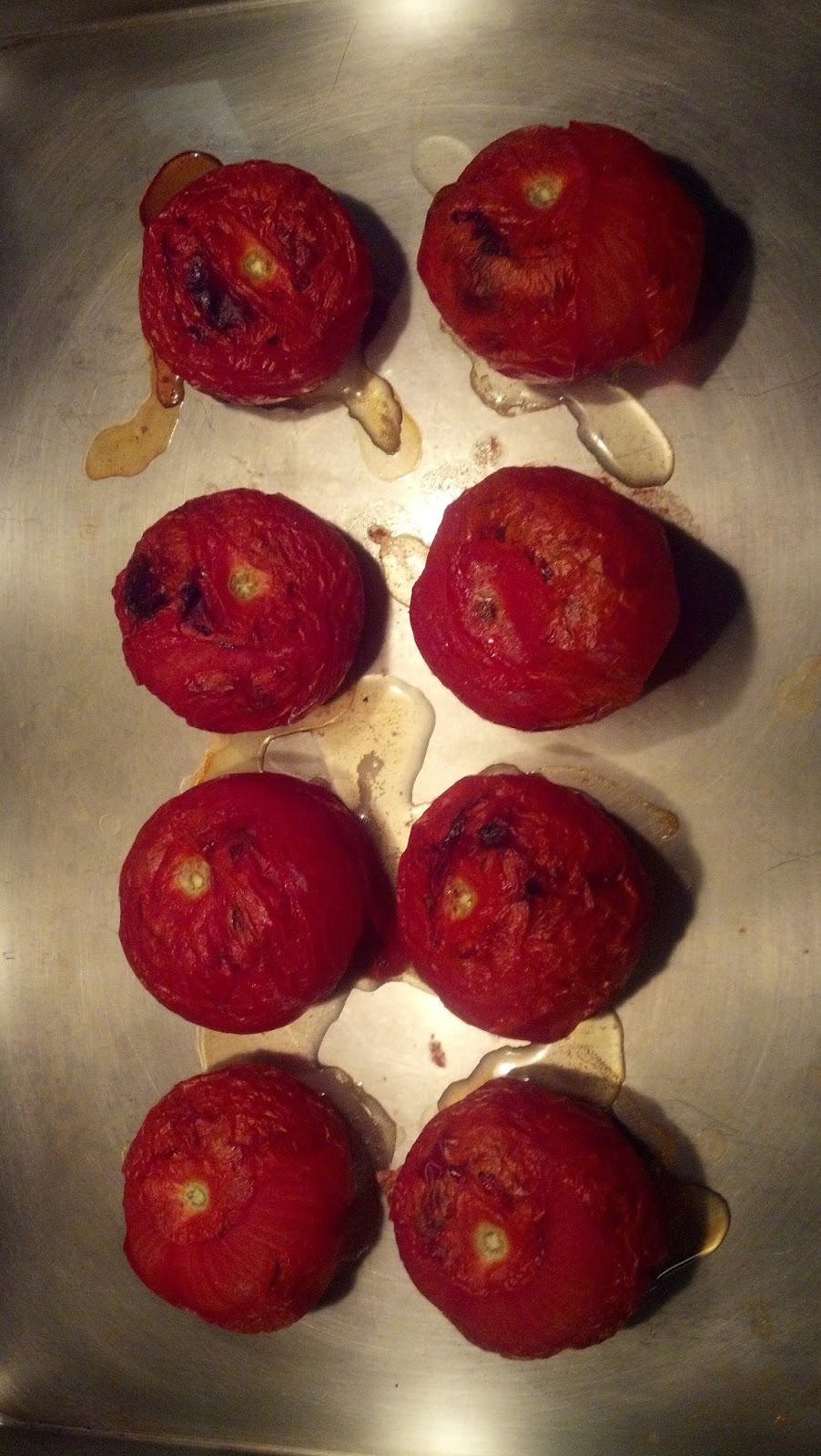
Tomatoes charred under a hot broiler, and a large quantity of hot sauce form the base of the cocktail sauce. I prefer Valencia or Cholula brand hot sauce for this recipe, as both have a subtle horseradish kick that compliments the shrimp nicely. Brown sugar and sherry vinegar provide a sweet contrast that balances the spice in the hot sauce.

Using precooked shrimp purchased from your local fishmonger makes this recipe a breeze. Just whip up the sauce in your food processor, chill in the refrigerator, and then toss in the shrimp. It’s that easy. Of course, if you want to cook your own shrimp, that will work too. Either way, be sure to remove all bits of shell and tail from your shrimp.

Serve this shrimp cocktail as part of a buffet in a large bowl, or as a plated first course in small glass bowls, topped with freshly sliced avocado and chopped cilantro.


Mexican Style Shrimp Cocktail

Ingredients

1 red onion, sliced thin
1 pound ripe tomatoes (2 large or 6 plum)
3 garlic cloves, peeled
1 tablespoon olive oil
2 tablespoons sherry vinegar
2 tablespoons brown sugar
¼ cup Mexican hot sauce (such as Valencia or Cholula brand)
2 ½ pounds cooked shrimp, shells and tails removed
1 ripe avocado, cut into small chunks
3 tablespoons chopped cilantro


Instructions

1. Roast the whole tomatoes on a rimmed baking sheet about four inches below a very hot broiler until splotchy black and thoroughly soft, at least 5 minutes per side. Remove and cool.

2.While the tomatoes are cooling, set the oven temperature to 425 degrees. Spread the onion and whole garlic cloves on a baking sheet and drizzle with the olive oil. Toss to combine. Place in the oven and roast until richly browned, about 15 minutes, stirring a few times to ensure even browning.

3. Pull the blackened skins off of the tomatoes, and scoop them into a food processor. Pulse several times to chop them into small pieces. Scrape into a medium bowl.

4. Scoop the onion and garlic into the food processor (don’t bother to clean the bowl of the food processor between uses). Pulse until finely chopped and add to the bowl with the tomatoes.

5. Add the sherry vinegar, brown sugar and hot sauce to the bowl and combine with the chopped vegetables. Season to taste with salt (I usually add about 2 teaspoons). Chill the cocktail sauce in the refrigerator.

6. An hour or two before you want to serve the shrimp cocktail, add the cleaned shrimp to the bowl and toss to combine. Try a shrimp to see if the cocktail needs additional salt or hot sauce. Once you are satisfied with the seasoning, return the bowl to the refrigerator.

7. When ready to serve, transfer the shrimp and sauce to an attractive bowl and top with the avocado and cilantro. Alternatively, divide the shrimp and sauce among small glass bowls and top each bowl with a few chunks of avocado and some chopped cilantro. Serve with high quality tortilla chips.

Related: Look at our Chilled Cucumber and Avocado Soup recipe to see how to pit an avocado.

Thursday, June 12, 2014

Heirloom Tomato Sorbet with Chive Oil

As a little kid, I used to love it when restaurants would serve sorbet as first course or as a palate cleanser between courses.  "Early dessert!" I'd think to myself when greeted with basil ice cream as an amuse or presented with pear sorbet before my main course.  Those are the memories that inspire me to work sorbets and ice creams into unexpected parts of my menus today.  I try to find recipes that surprise my guests – and get them excited for the meal to come.

This recipe for tomato sorbet, from Thomas Keller's The French Laundry Cookbook, is particularly good.  The sorbet has intense tomato flavor, but is still clean enough to be refreshing between courses, thank in part to the addition of orange zest.  Wait until late summer when the very best tomatoes are available to make this sorbet.  The wait will be worth it.

Keller's method for making chive oil is as simple as can be, and pairs beautifully with the sorbet.  Just hold the chives under hot running water for a couple of minutes and then blend with the oil.  The heat created by the friction of the blade spinning through the oil is enough to heat the mixture and infuse the flavor of the chives into the oil.  The oil is best if made at least one day ahead of time, and then strained just before use.

Ingredients

Simple Syrup

3/4 cup sugar
3/4 cup water

Tomato Sorbet
2 1/4 pounds heirloom tomatoes, peeled, seeded and cut into 1-inch pieces
1 tablespoon canola oil
1/3 cup finely chopped yellow onion
2 tablespoons red wine vinegar
Pinch of chopped tarragon
Pinch of cayenne
3/4 cup plus 2 tablespoons simple syrup
Julienned zest of 1/2 orange (removed with a zester; 1 teaspoon), brought to a boil in cold water, strained and repeated 2 additional times
Kosher salt
Freshly ground black pepper

Chive Oil

1 packed cup chives
1 cup canola oil

Fleur de sel
Extra chives for garnish

Instructions

For the simple syrup
  1. Combine the sugar and water in a saucepan and bring to a boil, stirring to dissolve the sugar.  
  2. Remove from heat, let cool to room temperature, and then refrigerate.
For the sorbet: 

  1. Place the tomatoes in a saucepan and bring to a simmer over medium heat. 
  2. Cook, stirring often, for about 45 minutes, or until the tomatoes have reduced by half.  There may still be a small amount of liquid remaining.
  3. Meanwhile, heat the oil in a skillet over low heat.  
  4. Add the onions to the skillet and cook gently for 7 to 8 minutes, or until tender.
  5. Place the reduced tomatoes and the onions in a blender and puree them until very smooth.  
  6. Press the mixture through a fine mesh strainer (there will be about 1 cup of puree) and return it to the clean blender.  
  7. Add the remaining sorbet ingredients and blend again.  
  8. Strain through a clean fine mesh strainer.  There should be about 1 1/2 cups sorbet base.  
  9. Cool the mixture over ice, stirring often.
  10. Freeze the sorbet in an ice-cream machine according to the manufacturer's directions.  
  11. Store the sorbet in a covered container in the freezer.  The sorbet is best eaten the day it is made.


For the chive oil: 
  1. Place the chives in a strainer and run hot water over them for about two minutes to soften and remove the chlorophyll taste.
  2. Place half of the chives in a blender with the oil.  
  3. Turn on the blender to medium speed and allow the chives to blend for a minute to begin the process. 
  4.  Turn the speed to high and continue to blend for another 2 minutes.  If your blender has a hole at the top, remove the stopper to allow some air in.
  5. Add half of the remaining chives to the machine and blend for another 2 minutes, then add the remaining chives and blend for 2 more minutes.
  6. Remove the puree to a covered container and refrigerate for at least 24 hours.
  7. When ready to use, strain the oil through a fine mesh strainer lined with cheesecloth.
To serve
  1. Spoon a little of the chive oil into the center of a six small bowls.  
  2. Top each with a quenelle of tomato sorbet.  
  3. Sprinkle each bowl with a few grains of fluer de sel and garnish with the extra chives.

Tuesday, July 12, 2011

Gazpacho Andaluz

This soup is a good example of why Cooks Illustrated is a special magazine. I have very mixed feelings on gazpacho. A good gazpacho can just taste so freaking good. A perfect fresh cold soup for a hot day that really lets ripe tomatoes shine and do their thing. The problem is that 80-90% of the gazpacho served in this country is basically watery salsa, which is not so great as a soup, and not concentrated enough for a tortilla chip. It has the consistency of baby food, no real distinct flavor, and is not really filling at all as a soup. That stuff I can't even finish. This is in a completely different category. Most importantly, it is strained, so it is a silky smooth soup that referred to as 'creamy' though it lacks any cream-like ingredients. It will knock your puree of salsa version of gazpacho on its feet with a slight vinegar bite and a little subtle heat from the serrano chile.

Juices extracted by salt
And absorbed by bread
This is also the kind of recipe where following the process leads to a good result, and the steps matter. Salting the vegetables and allowing the vegetable juice to be strained out then absorbed into the bread and re-added to the puree adds to the volume of intense fresh vegetable taste and ensures the garnish chunks of veggie don't add excess moisture at the end. Seasoning at the end won't break down the cells in the same way. Slowly adding the olive oil into the running blender ensures a fully creamy and blended consistency. Adding too much at once will cause oil to bubble up in the soup. Adding it correctly in a drizzle leads to the effect that the initial pink color of the blended veggies will turn to orange as the oil is slowly added. Letting it all sit for awhile allows the flavors to marry and enhance. 

Ideally, it should sit overnight, but we have definitely made it early in the morning for an evening dinner and it's been stunning. Just give it a couple hours, and remember to taste right before you serve to adjust seasoning, though it probably won't need much more than the small drops of oil and vinegar served on top, and with pepper and diced veggies to be passed around for diners to garnish as desired. You can substitute red wine vinegar for sherry vinegar and HALF the amount of table salt for the kosher salt, but I prefer kosher salt. We have fairly consistently chosen chives as our herb of choice for this recipe. I imagine basil would add quite different notes, but you really just can't go wrong with chives.

Creamy Gazpacho Andaluz


Ingredients

* 3 pounds (about 6 medium) ripe tomatoes , cored
* 1 small cucumber , peeled, halved, and seeded
* 1 medium green bell pepper , halved, cored and seeded
* 1 small red onion , peeled and halved
* 2 medium garlic cloves , peeled and quartered
* 1-2 small serrano chiles , stemmed and halved lengthwise
* Kosher salt (or half the amount of table salt)
* 1 slice high-quality white sandwich bread , crust removed, torn into 1-inch pieces
* 1/2 cup extra virgin olive oil , plus extra for serving
* 2 tablespoons sherry vinegar, plus extra for serving (or red wine vinegar if you need a substitute)
* 3 tablespoons finely minced chives (you can substitute parsley, or in a pinch basil leaves)
* Ground black pepper


 Instructions
  1. Roughly chop 2 pounds of tomatoes, half of cucumber, half of bell pepper, and half of onion and place in large bowl. Add garlic, chile, and 1½ teaspoons salt; toss until well combined. Set aside.
  2. Cut remaining tomatoes, cucumber, and pepper into ¼-inch dice; place vegetables in medium bowl. Mince remaining onion and add to diced vegetables. Toss with ½ teaspoon salt and transfer to fine-mesh strainer set over medium bowl. Set aside 1 hour.
  3. Transfer drained diced vegetables to medium bowl and set aside. Add bread pieces to exuded liquid (there should be about ¼ cup) and soak 1 minute. Add soaked bread and any remaining liquid to roughly chopped vegetables and toss thoroughly to combine.
  4. Transfer half of vegetable-bread mixture to blender and process 30 seconds. With blender running, slowly drizzle in ¼ cup oil and continue to blend until completely smooth, about 2 minutes. Strain soup through fine-mesh strainer into large bowl, using back of ladle or rubber spatula to press soup through strainer. Repeat with remaining vegetable-bread mixture and 1/4 cup olive oil.
  5. Stir vinegar, minced herb, and half of diced vegetables into soup and season to taste with salt and black pepper. Cover and refrigerate overnight or for at least 2 hours to chill completely and develop flavors. Serve, passing remaining diced vegetables, olive oil, sherry vinegar, and black pepper separately.


See how adding the oil in a drizzle takes the pink puree and makes it orange?

Sunday, June 5, 2011

Tomato and Avocado Ceviche


You can use almost any whitefish in this recipe, though we've had very good success with halibut. Other fish suggestd include tuna, salmon, sea bass, sole, sea scallop and shrimp. The recipe suggests thin fish such as sole, flounder or tilapia as easy because they do not need to be cut width-wise (which should be no thicker than 1/3 inch for even cooking). The important part is to keep the pieces of fish approximately the same size cubes so that they cook in the citrus at the same rate. Because we are essentially cooking the fish with the acid from the citrus and not applying any heat, it's important to use fresh (from the store that day, not frozen, etc) fish and fresh lemons and limes. The brightness of the lemons and limes are the key to the flavor of the dish. Don't worry, it cooks, and will turn opaque to prove it. You actually can overcook things with citrus, so don't leave it in the marinade too long.

Be sure to pat all seafood dry with paper towels so that any moisture does not water down the marinade. To prep in advance, you can mix all the citrus marinade ingredients together (jalepeno, red pepper, garlic, lemon, lime, etc.) in one bowl, the cut seafood in another, and the added veggies minus avocado (scallions, cilantro, cherry tomatoes, oil, and sugar) in another. When it is time to start marinating, add the fish to the citrus. Add the avocado just before serving to prevent it from breaking down, turning brown, or making everything green. This will serve a generous 4 portions for a first course or a smaller 6 portions.


Tomato and Avocado Ceviche


Ingredients


1 pound extra-large shrimp (21 to 25 per pound), large sea scallops, skinless fish fillets, or a combination
1teaspoon grated lime zest from 1 lime
1/2cup juice from 4 limes
1/2cup juice from 4 lemons
1small red bell pepper , stemmed, seeded, and chopped fine
1-2 jalapeno chile (small), stemmed, seeded, and minced
1 medium garlic clove , minced or pressed through a garlic press
Salt
1/4cup extra-virgin olive oil
4-6 scallions , sliced thin (about 1 small bunch)
1cup cherry tomatoes , quartered
3tablespoons minced fresh cilantro leaves
1/2teaspoon sugar
1 ripe avocado , pitted and diced fine
Ground black pepper

Instructions

1. If using shrimp, peel them completely, devein, and slice each shrimp in half lengthwise using a paring knife (through the deveined groove in the back). If using scallops, remove the side tendon and slice into 1/3-inch-thick rounds. If using fish, remove any bones and slice into 1-inch squares about 1/3 inch thick.

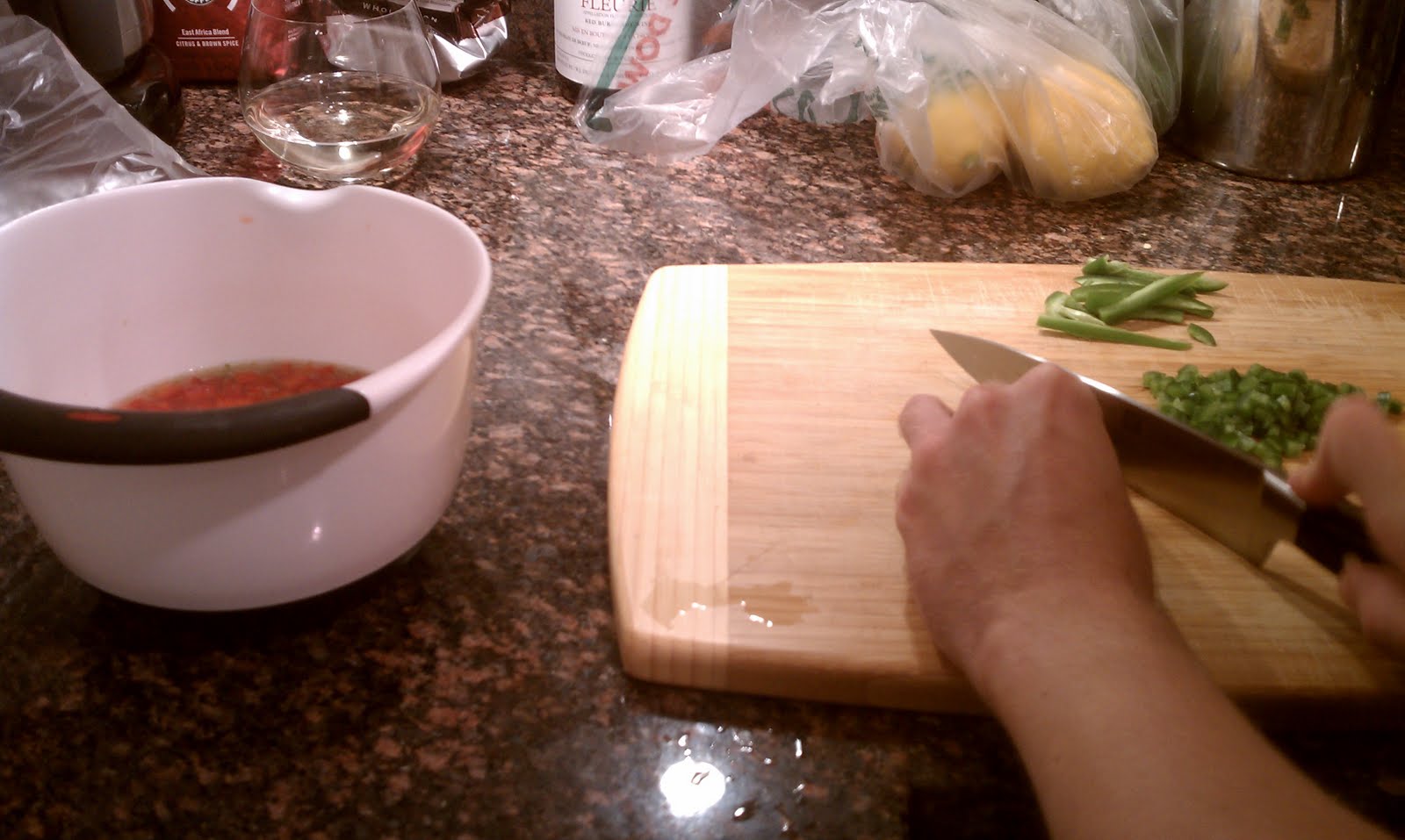
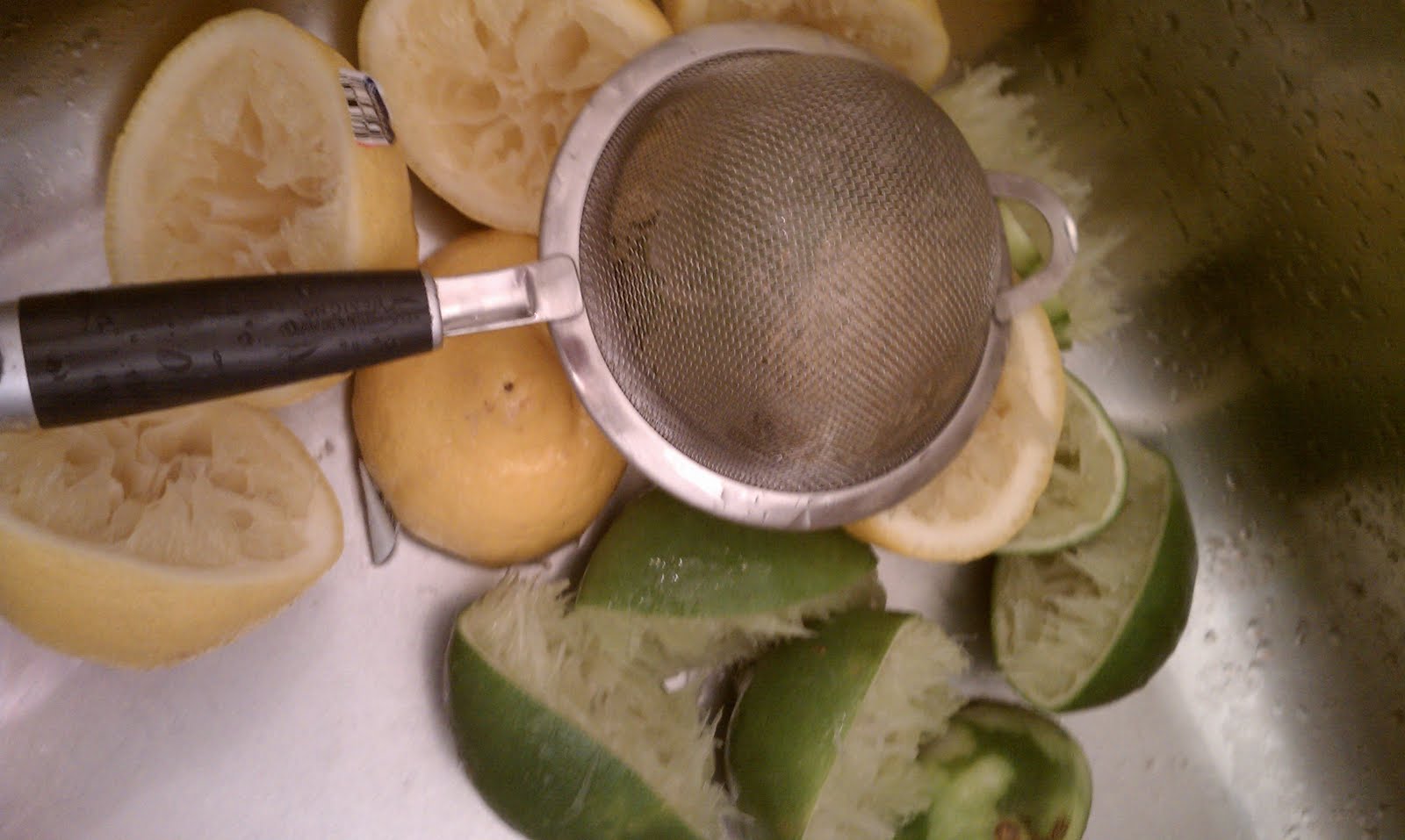
2. Stir the lime zest, lime juice, lemon juice, bell pepper, jalapeno, garlic, and 1/2 teaspoon salt together in a medium bowl. Gently stir in the seafood, cover with plastic wrap, and refrigerate until the seafood is firm, opaque, and appears cooked, 45 to 60 minutes, stirring halfway through the marinating time.

3. Place the mixture in a fine-mesh strainer, leaving it a little wet, then return to the bowl. Gently stir in the oil, scallions, tomatoes, cilantro, and sugar followed by the avocado. Season with salt and pepper to taste before serving.